


MSI Is A Global Association Of Over 250 Independent Legal And Accounting Firms In More Than 100 Countries. MSI Has A Successful Track Record Of More Than 25 Years And The Firm Has Recently Been Selected To Represent Mumbai, India.
Please Click Here To See MSI’s Info Graphic Which Highlights Key Facts Of The About. With The Membership At MSI, The Firm Has Now Access To 253 Legal And Accounting Firms Worldwide For Its Clients Who Desire To Do Cross Border Transactions Across The World.
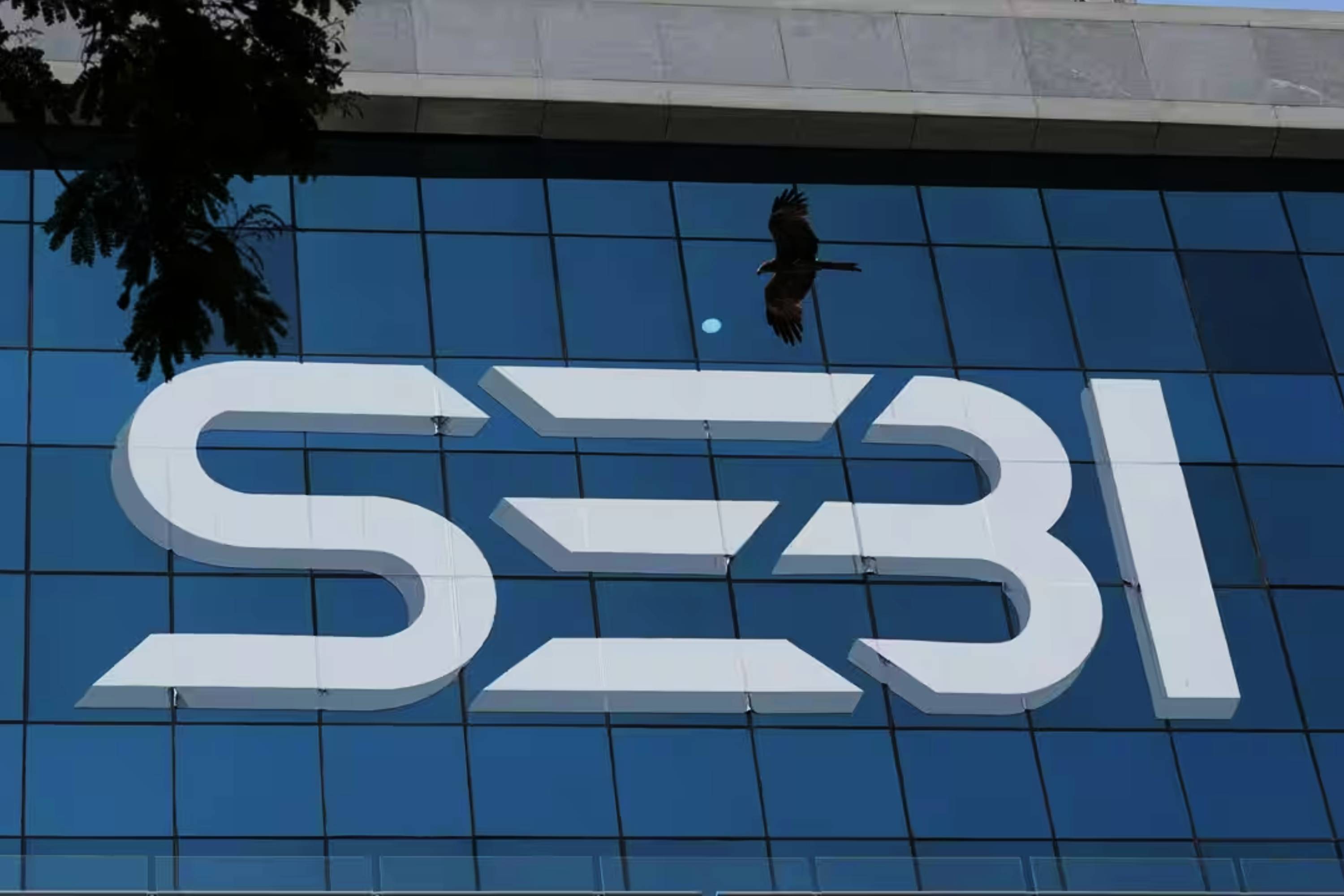
SEBI UPDATE | SAT UPHOLDS DEEMED PUBLIC OFFER VIOLATION IN AAKRUTI NIMRITI CASE

SEBI UPDATE | SAT UPHOLDS DEEMED PUBLIC OFFER VIOLATION IN AAKRUTI NIMRITI CASE
Contributors:
Mr Bhushan Shah, Partner
Mr Akash Jain, Associate Partner
Mr Abhishek Nair, Associate
Overview
The Securities Appellate Tribunal (SAT) very recently in the case of Aakruti Nimriti Limited vs SEBI upheld SEBI's finding that the issuances constituted deemed public offers in violation of the Companies Act, 1956, and the SEBI (Disclosure and Investor Protection) Guidelines, 2000 (DIP Guidelines) but modified the refund direction to apply only to shareholders wishing to exit, and further reduced the interest rate from 15% to 6% per annum.
Brief Background:
Aakruti Nimriti Limited (ANL), an unlisted public company engaged in real estate development, raised ₹29.83 crore through seven allotments of equity shares between 17 April 2007 and 15 December 2007 from 284 allottees. Following a complaint in November 2017 from an investor alleging non-payment of dividends and interest, as well as the issuance of shares without listing on the stock exchange, SEBI began investigating the matter. Thereafter, SEBI issued a common show-cause notice on 16 October 2018 to 18 noticees, and passed the impugned order directing refunds with 15% interest by ANL and its directors, along with debarments and other restraints, for violations under Sections 67 and 73 of the Companies Act, 1956, and the DIP Guidelines, 2000.
Appellants Contention:
The appellants argued that the offers were limited to 41 invitees from the promoters' Kutchi Patel community, thereby exempting them under the "domestic concern" exemption under Section 67(3) of the Companies Act, 1956 (Act). The Appellants also argued that no single offer exceeded 50 persons, and therefore, there is no violation of Section 67(3) of the Act. The Appellants submitted that the additional allotments arose from recommendations by invitees, without the offer documents being publicly circulated. They further contended there was an inordinate delay in SEBI’s initiation of proceedings, which has caused prejudice, and submitted that the full refunds at 15% interest would lead to liquidation given investments in stalled projects. The Applicants relying on SAT’s order in BRD Securities v SEBI (BRD Order) stated that SEBI ought to have initiated proceedings earlier, as the filings are part of the public record with the ROC. The Applicants also sought the application of the threshold of 200 persons as given in the Companies Act, 2013.
SEBI's Contention:
SEBI maintained that allotments to 284 persons amounted to a deemed public offer under Section 67(3), irrespective of structuring it as multiple invitations or community-based allotments, as the provision deems offers to 50 or more persons public even for domestic concerns, relying on the principles enumerated in the Supreme Court judgement in Sahara Real Estate Corporation v SEBI (Sahara Judgement). SEBI emphasised that, as soon as the threshold of 50 persons is crossed, the provisions of Section 67 of the Act apply without exemption, and ANL had to fulfil its listing compliance requirements under Section 73 of the Act. SEBI also contended that there was no delay, as action was initiated promptly after the 2017 complaint and that filings with the ROC cannot be construed as constructive notice with SEBI.
SAT's Decision:
SAT affirmed SEBI's interpretation of Section 67(3) of the Act, holding that the allotments to 284 persons across seven offers constituted a deemed public offer, as the statutory intent would not intend for circumvention through structured tranche-based issuances to evade the listing requirements. SAT further rejected the delay contention, noting that SEBI acted within a reasonable period following the complaint. However, the SAT considered the Appellant’s submissions that most of the current shareholders do not wish to exit, that only one complaint exists, and that full refunds at an interest rate of 15% would precipitate liquidation amid stalled real estate projects. Consequently, SAT granted limited relief by modifying the order: refunds at 6% interest apply solely to investors desirous of exiting.
SAT also noted that the BRD Order does not apply to the present case, as there are distinguishable features, such as the fact that BRD Securities is an NBFC regulated by the RBI, which is not covered by the first proviso of Section 67(3) of the Act. Further, SAT also held that, as SEBI had received the complaint in 2017 and issued the SCN in 2018, the grounds of inordinate delay in issuing the proceedings cannot be accepted.
MHCO Comment:
This decision reflects a strict application of the deemed public offer provisions under the erstwhile Companies Act, 1956, aligning with SEBI's regulatory position on investor protection and compliance obligations for issuances exceeding statutory thresholds. However, the limited relief granted by the SAT remains perhaps the most interesting aspect of this order, as it appears to depart from the strict, non-discretionary language of Section 73 of the Act, which contemplates a complete refund without built-in scope for equitable adjustments or partial application based on investor choice or company hardship. While such modifications by appellate bodies like the SAT are not uncommon in practice to balance strict statutory compliance with real-world equities, they also raise questions about fidelity to the literal statutory mandate.
This update was released on 24 Feb 2026.
The views expressed in this update are personal and should not be construed as any legal advice. Please contact us directly on +91 22 40565252 or contact@mhcolaw.com for any assistance.
Legal Update Team
MANSUKHLAL HIRALAL & COMPANY
Advocates, Solicitors and Notaries
T: +91 22 40565252
Mumbai Office: Surya Mahal, 2nd Floor, 5, Burjorji Bharucha Marg, Fort, Mumbai-400 023, India
Delhi Office: Block C-9, Lower Ground Floor, Jangpura Extension, New Delhi - 110 014, India
www.mhcolaw.com
"Noted lawyer in the Real Estate practitioner from India" - Chambers & Partners
Please consider the environment before printing this email
The information contained in this communication is intended solely for the use of the individual or entity to whom it is addressed and others authorized to receive it. This communication may contain confidential or legally privileged information. If you are not the intended recipient, any disclosure, copying, distribution or action taken relying on the contents is prohibited and may be unlawful. If you have received this communication in error, or if you or your employer does not consent to email messages of this kind, please notify the sender immediately by responding to this email and then delete it from your system. No liability is accepted for any harm that may be caused to your systems or data by this message.
Subscribe to our Knowledge Repository
If you would like to receive content directly in your inbox from our knowledge repository, please complete this subscription form.
OUR CLIENTS


MEDIA COVERAGES
AWARDS & RECOGNITION









AFFILIATIONS & ASSOCIATIONS

MEMBERS OF MSI GLOBAL ALLIANCE

MEMBERS OF ILF
International Law Firms (ILF) Is An International Association Of Independent Smaller And Mid-Sized Law Firms Serving Their Clients’ Needs In Cross Border Business Legal Issues. Our Association With ILF Enables Us To Effectively Assist Clients With Trans-National Legal Issues At Effective Prices.
LIFE AT MHCO










PRACTICE AREA
Private Limited Company Registration in India
Setting up a Company in India
Foreign Direct Investment (FDI) in India
Foreign Business Registration in India
Small Business Registration in India
GET IN TOUCH
Mumbai: Surya Mahal, 2nd Floor 5, Burjorji Bharcha Marg Fort, Mumbai-400 023 India
Contact No.: T: +91-22-40565252
E: contact@mhcolaw.com
Delhi: C-9, Lower Ground Floor Jangpura Extension, New Delhi-110 0014 India
Contact No.: T: +91-11-40196496
E: contact@mhcolaw.com
Contact No.: T: +91-22-40565252
E: contact@mhcolaw.com
Delhi: C-9, Lower Ground Floor Jangpura Extension, New Delhi-110 0014 India
Contact No.: T: +91-11-40196496
E: contact@mhcolaw.com
2025 - MANSUKHLAL HIRALAL & CO.
Need Help? Chat with us