


MSI Is A Global Association Of Over 250 Independent Legal And Accounting Firms In More Than 100 Countries. MSI Has A Successful Track Record Of More Than 25 Years And The Firm Has Recently Been Selected To Represent Mumbai, India.
Please Click Here To See MSI’s Info Graphic Which Highlights Key Facts Of The About. With The Membership At MSI, The Firm Has Now Access To 253 Legal And Accounting Firms Worldwide For Its Clients Who Desire To Do Cross Border Transactions Across The World.

Why India Is Becoming More Important in Global Expansion Plans
Global businesses are increasingly looking towards India as a strategic destination for growth, investment and long term expansion. In recent years, Global Business Expansion in India has gained significant momentum due to the country’s growing economy, large consumer market and supportive policy environment. India is no longer viewed only as a developing market. It is now recognised as a major global business hub with strong potential across industries.
From multinational corporations to emerging startups, businesses worldwide are integrating India into their expansion strategies. This shift is driven by economic reforms, digital transformation, infrastructure growth and access to skilled talent. As global markets become more interconnected, India’s importance in international business planning continues to rise.
India’s Growing Economic Influence
India has emerged as one of the fastest growing major economies in the world. Consistent economic development has strengthened investor confidence and increased global interest in the Indian market. The country’s expanding industrial base, rising consumer demand and increasing global trade participation have positioned India as a critical economic player. Businesses entering India gain access to both domestic growth opportunities and regional market advantages. Economic resilience has become one of India’s strongest attractions for global companies.
Global Business Expansion in India
The rise of Global Business Expansion in India reflects the country’s growing strategic importance in international commerce. Businesses are increasingly viewing India not merely as a sales market but as a destination for manufacturing, technology development and operational expansion. India’s improving regulatory environment and large scale economic reforms have encouraged international participation across sectors. Global corporations are establishing regional headquarters, research centres and production facilities in India to strengthen their long term market presence. This trend highlights India’s transition into a global business and investment destination.
Large Consumer Market and Rising Demand
One of India’s greatest strengths is its large and diverse consumer base. With a rapidly expanding middle class and increasing disposable income, the country offers significant market potential. Consumer demand is rising across industries including technology, healthcare, retail, finance and entertainment. Businesses entering India can cater to both urban and emerging regional markets. This demand driven environment creates strong growth opportunities for global companies.
Government Reforms Supporting Investment
The Indian government has introduced several reforms aimed at improving the business environment. Initiatives such as Make in India, Startup India and Digital India have encouraged entrepreneurship and foreign investment. Regulatory procedures have become more streamlined through digital systems and simplified approval mechanisms. Improvements in ease of doing business have increased India’s attractiveness for international investors. Government support continues to play a key role in economic expansion.
Strategic Geographic Position
India’s geographic location provides access to major international trade routes and emerging regional markets. Businesses operating from India can efficiently connect with Asia, the Middle East and global markets. Its location also strengthens supply chain operations and manufacturing capabilities. This strategic advantage is particularly important for companies seeking regional operational hubs. India’s position enhances its value in global expansion strategies.
Digital Transformation and Technology Growth
India’s digital ecosystem has transformed significantly over the last decade. Widespread internet access, digital payment adoption and technology innovation have created a dynamic business environment. Technology driven sectors such as fintech, software development and e commerce have experienced rapid growth. Global businesses are increasingly investing in Indian technology capabilities and innovation ecosystems. Digital infrastructure has become a major factor attracting international companies.
Skilled Workforce and Talent Availability
India offers one of the world’s largest pools of skilled professionals across technology, engineering, finance and management sectors. Global businesses benefit from access to qualified talent at competitive operational costs. Educational institutions and professional training programs continue to strengthen workforce capabilities. Talent availability has become a strategic advantage for businesses establishing operations in India.
Manufacturing and Supply Chain Opportunities
India is strengthening its manufacturing sector through policy support and infrastructure development. Businesses seeking supply chain diversification are increasingly considering India as a manufacturing destination. Production linked incentives and industrial development programs have encouraged investment in electronics, automotive and pharmaceutical sectors. This shift supports India’s growing role in global manufacturing networks.
Infrastructure Development and Connectivity
Infrastructure improvements have significantly enhanced India’s business environment. Investments in transportation, logistics and digital connectivity have improved operational efficiency. Modern infrastructure supports manufacturing, trade and business expansion activities. Better connectivity also improves access to regional markets within the country. Infrastructure development continues to strengthen India’s competitiveness.
Regulatory Framework and Legal Structure
India has a structured legal framework governing commercial activities, taxation and corporate operations. Businesses entering the Indian market must understand regulatory obligations and compliance requirements. Legal reforms and digital governance systems have improved transparency and efficiency. Companies seeking to establish company in India often focus on understanding regulatory procedures early to ensure smooth market entry. A clear legal framework increases investor confidence and operational stability.
Rise of Startup and Innovation Ecosystems
India has one of the world’s largest startup ecosystems. Innovation driven businesses are expanding across sectors such as artificial intelligence, fintech, health technology and renewable energy. The startup ecosystem attracts venture capital, accelerators and global partnerships. This entrepreneurial environment creates collaboration opportunities for international businesses. Innovation continues to strengthen India’s global business reputation.
Increasing Foreign Direct Investment
India has witnessed strong growth in foreign direct investment across multiple sectors. Liberalised investment policies and market opportunities have encouraged international participation. Foreign investors are increasingly viewing India as a long term growth destination rather than a short term opportunity. The combination of market size and economic stability supports investor confidence. FDI growth reflects India’s increasing global relevance.
Importance of Structured Business Entry
Entering a new market requires careful planning and compliance. Businesses expanding into India must evaluate legal structures, taxation and operational strategies before establishing a presence. Many international entrepreneurs consider setting up a private limited company in India due to the credibility, governance structure and scalability associated with this business model. Structured entry planning helps businesses operate efficiently and remain compliant.
Challenges Businesses Should Consider
Despite its advantages, India presents certain operational and regulatory challenges. Businesses may face complexities related to regional diversity, compliance procedures and market competition. Understanding local market conditions and obtaining professional guidance are important for managing these challenges effectively. Businesses prepared for these factors are more likely to achieve long term success.
Long Term Growth Potential
India’s long term growth outlook remains strong due to demographic advantages, economic reforms and increasing global integration. Businesses entering the Indian market today are positioning themselves for future opportunities. As industries continue to evolve, India is expected to remain a central part of global expansion strategies. Long term planning and adaptability are essential for success in this environment.
Conclusion
The growing importance of Global Business Expansion in India reflects the country’s transformation into a major international business destination. Economic strength, policy reforms, technological growth and market potential have positioned India as a strategic centre for global operations. Businesses looking towards long term growth are increasingly recognising India not only as a market of opportunity but also as a foundation for regional and international expansion. As global economic dynamics continue to evolve, India’s role in business expansion plans is expected to become even more significant.
Frequently Asked Questions (FAQs)
Q1. Why is India important for global business expansion?
India offers economic growth, a large consumer market and strong investment opportunities.
Q2. What sectors are attracting global businesses in India?
Technology, manufacturing, healthcare, finance and retail are among the leading sectors.
Q3. Is India favourable for foreign investment?
Yes, policy reforms and market potential have made India attractive for international investors.
Q4. Why do businesses choose India for operations?
Businesses benefit from skilled talent, digital infrastructure and market access.
Q5. What is the best structure for foreign businesses entering India?
Many companies prefer private limited structures for scalability and governance benefits.
The information contained in this communication is intended solely for the use of the individual or entity to whom it is addressed and others authorized to receive it. This communication may contain confidential or legally privileged information. If you are not the intended recipient, any disclosure, copying, distribution or action taken relying on the contents is prohibited and may be unlawful. If you have received this communication in error, or if you or your employer does not consent to email messages of this kind, please notify the sender immediately by responding to this email and then delete it from your system. No liability is accepted for any harm that may be caused to your systems or data by this message.
OUR CLIENTS


MEDIA COVERAGES
AWARDS & RECOGNITION









AFFILIATIONS & ASSOCIATIONS
MEMBERS OF MSI GLOBAL ALLIANCE

MEMBERS OF ILF
International Law Firms (ILF) Is An International Association Of Independent Smaller And Mid-Sized Law Firms Serving Their Clients’ Needs In Cross Border Business Legal Issues. Our Association With ILF Enables Us To Effectively Assist Clients With Trans-National Legal Issues At Effective Prices.
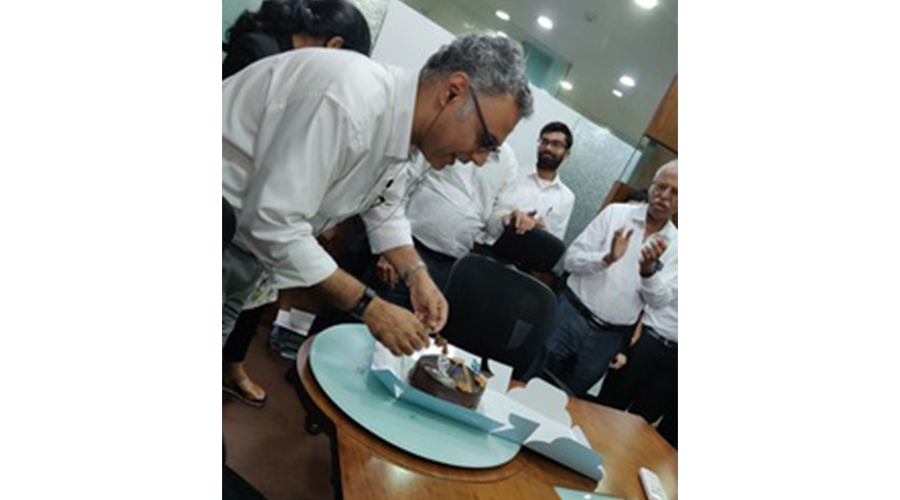
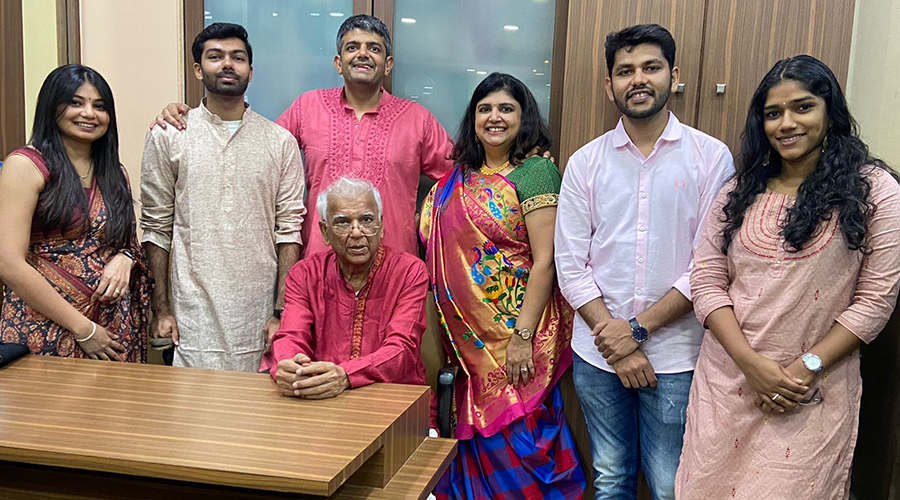
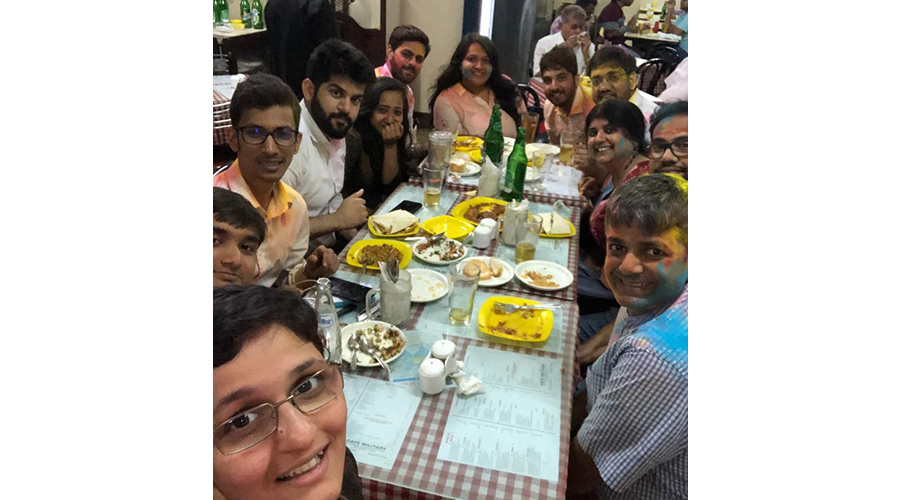
LIFE AT MHCO












PRACTICE AREA
Private Limited Company Registration in India
Setting up a Company in India
Foreign Direct Investment (FDI) in India
Foreign Business Registration in India
Small Business Registration in India
GET IN TOUCH
Mumbai: Surya Mahal, 2nd Floor 5, Burjorji Bharcha Marg Fort, Mumbai-400 023 India
Contact No.: T: +91-22-40565252
E: contact@mhcolaw.com
Delhi: C-9, Lower Ground Floor Jangpura Extension, New Delhi-110 0014 India
Contact No.: T: +91-11-40196496
E: contact@mhcolaw.com
Contact No.: T: +91-22-40565252
E: contact@mhcolaw.com
Delhi: C-9, Lower Ground Floor Jangpura Extension, New Delhi-110 0014 India
Contact No.: T: +91-11-40196496
E: contact@mhcolaw.com
2025 - MANSUKHLAL HIRALAL & CO.
Need Help? Chat with us