


MSI Is A Global Association Of Over 250 Independent Legal And Accounting Firms In More Than 100 Countries. MSI Has A Successful Track Record Of More Than 25 Years And The Firm Has Recently Been Selected To Represent Mumbai, India.
Please Click Here To See MSI’s Info Graphic Which Highlights Key Facts Of The About. With The Membership At MSI, The Firm Has Now Access To 253 Legal And Accounting Firms Worldwide For Its Clients Who Desire To Do Cross Border Transactions Across The World.
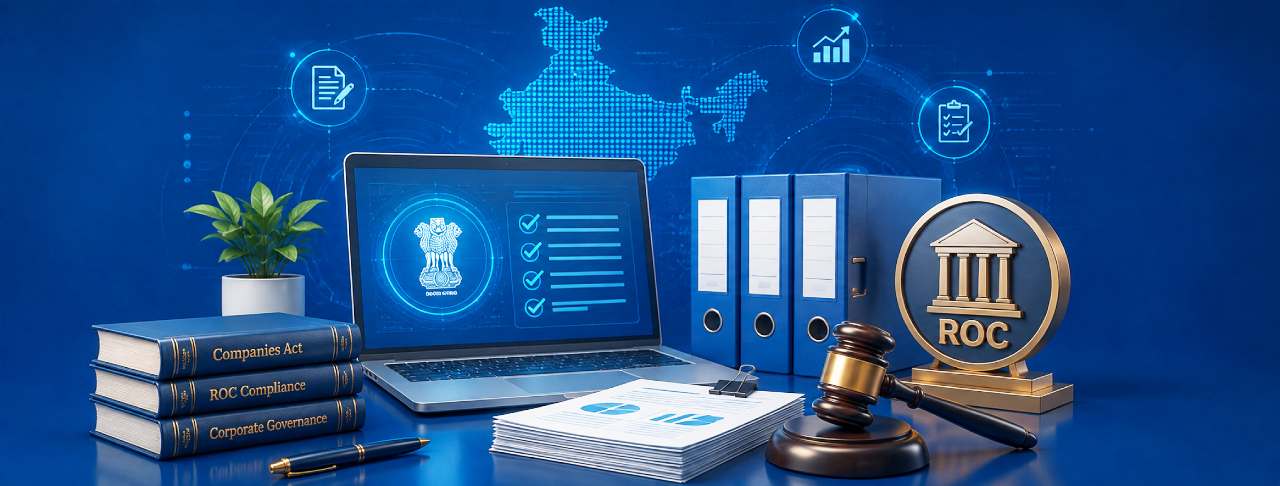
Understanding ROC Filings for Newly Incorporated Companies in India
For a newly incorporated company, ROC Filings are among the first statutory responsibilities management needs to understand. Incorporation does not mark the end of compliance. It marks the beginning of an ongoing relationship with the Registrar of Companies under the Companies Act, 2013. Depending on the company's structure and activities, filings may relate to commencement of business, registered office details, directors, share capital, financial statements, annual returns and other corporate events. Missing a filing can lead to additional fees, penalties and, in serious cases, broader compliance consequences. A clear filing calendar helps founders avoid treating ROC compliance as an issue to be addressed only when the first annual return becomes due.
Top Four Relevant Resources for “ROC Filings”
The current search landscape for the keyword ROC Filings is dominated by practical compliance guides explaining annual filings, statutory forms, due dates and penalties. Four relevant resources identified during the research are:
- IndiaFilings: ROC Filing Responsibility and Procedure in India
- LegalClarity: ROC Forms Explained, including AOC 4 and MGT 7
- Tax Garden: ROC Annual Compliance for Private Limited Companies
- Vakilsearch: ROC Compliance for Private Limited Companies
These pages largely focus on the practical question of which forms must be filed and when. A stronger approach for newly incorporated companies is to explain the compliance journey from incorporation onwards, distinguish annual filings from event based filings, and clarify why the underlying corporate records matter as much as the electronic forms.
What Are ROC Filings?
ROC filings are statutory documents and forms submitted to the Registrar of Companies through the Ministry of Corporate Affairs. The Registrar maintains records relating to companies registered under the Companies Act, 2013. These filings provide the government with information about the company's financial position, ownership, directors, registered office and significant corporate events. They also create a public regulatory record of important aspects of the company's affairs.The expression "ROC filing" is therefore broader than annual return filing. A newly incorporated company may have several compliance obligations during its first year, depending on its circumstances. The exact forms applicable to a company depend upon factors such as its legal structure, share capital, size, transactions, sector and corporate events.
Why ROC Compliance Starts Immediately After Incorporation?
A common misconception among new founders is that ROC compliance begins with the first annual filing. In reality, certain obligations can arise soon after incorporation. For example, a company having share capital is required to file a declaration relating to commencement of business under Section 10A of the Companies Act, 2013, subject to the statutory conditions. The MCA's official instruction kit for Form INC 20A states that the declaration is filed within 180 days from incorporation. This is important because a company may be legally incorporated but still unable to commence certain business activities until the relevant statutory requirement has been satisfied. The first months of operation should therefore be treated as a compliance period rather than a grace period.
INC 20A and Commencement of Business
For a company to which Section 10A applies, Form INC 20A is an important post incorporation filing. The declaration confirms compliance with the requirement concerning subscription money and commencement of business. The MCA instruction kit identifies Section 10A(1)(a) of the Companies Act, 2013 and Rule 23A of the Companies (Incorporation) Rules, 2014 as the governing provisions. Founders should not treat this filing as a routine formality. The company should first verify whether the statutory conditions have been fulfilled and whether the supporting records are in order. This is also one reason why proper company incorporation records should be maintained from the beginning. The documents created during incorporation form the foundation for later compliance.
Registered Office Compliance
A company must maintain a registered office capable of receiving official communications. The address should remain properly documented and supported by appropriate evidence. Changes in the registered office can trigger filing requirements. The relevant MCA form and supporting documentation depend upon the nature of the change and the applicable provisions of the Companies Act. The registered office should therefore not be treated simply as an address used for incorporation. It has continuing legal significance. Companies should maintain ownership or occupancy documents, utility records and other relevant evidence in an organised manner. These records may also become relevant during banking, taxation, investment or due diligence exercises.
Director and Key Managerial Personnel Filings
Changes in directors and key managerial personnel are another important area of ROC compliance. The MCA's official instruction kit for Form DIR 12 states that companies must file particulars relating to appointment, cessation and changes in designation of directors and KMP with the Registrar within 30 days of the relevant event. This means a company should not wait until its annual filing to update the MCA record. If a director resigns, a new director is appointed or there is a relevant change in designation, the corporate records and MCA filings should be updated within the prescribed period. Keeping board resolutions, consent documents and filing acknowledgements together makes future compliance checks considerably easier.
Share Capital and Allotment Related Filings
New companies often issue additional shares during their first year. This can happen when founders inject additional capital or when an angel investor or other investor enters the company. An allotment of shares is not simply an accounting transaction. It can involve board approval, shareholder approval where required, valuation considerations, issue documentation, share certificates and filing obligations. The company must ensure its statutory registers, cap table, share certificates and MCA filings remain consistent. A mismatch between the company's internal cap table and its statutory records can create serious problems during future investment or legal due diligence.
Annual ROC Filings
Annual compliance forms the core of recurring ROC obligations. For most companies, two major annual filings are Form AOC 4 and Form MGT 7 or the applicable simplified form. Form AOC 4 relates to filing the company's financial statements with the Registrar. The MCA has prescribed the form under Section 137 of the Companies Act, 2013 and Rule 12 of the Companies (Accounts) Rules, 2014. Form MGT 7 relates to the company's annual return under Section 92. MCA documentation identifies MGT 7 as the annual return form for companies other than OPCs and small companies covered by the applicable simplified filing framework. The filing process therefore involves more than uploading documents. The accounts, annual return, board records and underlying statutory information must tell a consistent story.
AOC 4 and Financial Statement Filing
AOC 4 provides the Registrar with information relating to the company's financial statements. Before filing, the company should ensure its financial statements have been properly prepared, approved and audited where applicable. Supporting documents and reports should also be reviewed for consistency. The filing should correspond with the financial records maintained by the company. Differences between the accounts filed with the ROC and information reported elsewhere can create unnecessary questions. Financial statement filing is therefore closely connected with accounting, audit and corporate governance rather than being an isolated secretarial task.
MGT 7 and Annual Return Filing
The annual return provides a broader picture of the company's corporate affairs. It can contain information relating to the company's registered office, principal business activities, shareholding, members, directors and other prescribed matters. Because the annual return deals with corporate information beyond financial figures, founders should ensure its contents correspond with statutory registers and other company records. A company experiencing changes in shareholding or directorship during the year should pay particular attention to the accuracy of the annual return.
AGM and Board Meetings
ROC compliance cannot be separated from the company's governance process. The annual general meeting is an important event in the annual compliance cycle. The financial statements and other matters are placed before members in accordance with the Companies Act and the company's constitutional documents. Board meetings are also important. Section 173 of the Companies Act contains requirements concerning meetings of the Board, subject to applicable exemptions and modifications. Minutes should be prepared and maintained properly. Decisions involving investments, borrowings, share issues, related party matters and significant contracts should be supported by appropriate corporate approvals. Good minutes provide evidence of how important decisions were taken.
Event Based ROC Filings
Not every ROC filing occurs once a year. Certain corporate events trigger separate filing obligations. These can include changes in directors, changes in registered office, alteration of share capital, allotment of shares, creation or modification of charges, changes in certain company particulars and other prescribed events. This distinction is important for founders. A company can complete its annual filings correctly and still become non compliant because an event based filing was missed during the year. The compliance system should therefore include an internal process for identifying events which may trigger MCA filing requirements.
What Happens If ROC Filings Are Delayed?
Delayed ROC filings can lead to additional filing fees and statutory penalties. The financial impact depends on the particular form, provision and duration of the default. The consequences may extend beyond the immediate financial cost. Persistent non compliance can affect the company's ability to demonstrate good standing during funding, acquisition, lending or other transactions. Directors and officers may also face consequences where the Companies Act places responsibility upon them. The precise consequence should always be assessed against the provision governing the particular default rather than relying upon a general penalty assumption.
Why Newly Incorporated Companies Commonly Miss ROC Compliance?
The first year of business is usually dominated by sales, recruitment, product development and cash flow management. Compliance can easily become secondary. Another problem is fragmented record keeping. Incorporation documents may be with the legal adviser, accounting records with the finance team and shareholder information with the founders. When responsibilities are unclear, deadlines can be missed. A simple compliance calendar with clearly assigned responsibility can prevent many of these problems.
How Founders Can Build a Reliable ROC Filing System?
A newly incorporated company should maintain a central statutory compliance file from the beginning. This should include the certificate of incorporation, constitutional documents, director records, shareholding information, statutory registers, board minutes, shareholder resolutions, filing challans and copies of forms submitted to the MCA. The company should also reconcile its internal records with MCA records periodically. When a funding round, director change or share allotment occurs, the compliance review should happen immediately rather than at the end of the financial year. For founders considering Pvt ltd company registration cost, it is equally important to recognise the continuing compliance expenditure associated with maintaining a company. Incorporation is an initial cost. Statutory accounting, audit, governance and ROC compliance continue throughout the company's existence.
ROC Compliance and Future Fundraising
Good ROC records can materially improve transaction readiness. Investors and their legal advisers may examine incorporation documents, shareholding records, board minutes, statutory registers and MCA filings during due diligence. If the company's records contain unexplained inconsistencies, the investor may request clarification or remediation before proceeding. A clean compliance history does not guarantee funding. It does, however, reduce avoidable legal uncertainty.
The Role of the Ministry of Corporate Affairs
The Ministry of Corporate Affairs is the primary government authority through which companies interact with the corporate registry. Founders should use the official Ministry of Corporate Affairs portal for current forms, filing instructions, notifications and statutory information. This is particularly important because forms, filing mechanisms, fees and compliance requirements can change through amendments and notifications. Secondary articles can become outdated even when the underlying topic remains relevant.
A Practical Approach for Newly Incorporated Companies
The most effective approach is to treat ROC compliance as a continuing governance function. Immediately after incorporation, the company should identify all applicable post incorporation filings. It should then establish a calendar covering board meetings, financial reporting, audit, AGM requirements and annual filings. Every significant corporate event should trigger a compliance review. Before each filing, the company should verify the information against its statutory registers, accounting records and previous filings. After submission, the company should retain the filed form, acknowledgement and payment record in its permanent compliance file. This process creates an audit trail and reduces the possibility of repeated errors.
Frequently Asked Questions (FAQs)
Q1. What are ROC Filings in India?
ROC Filings are statutory forms and documents submitted by companies to the Registrar of Companies under the Companies Act, 2013. They cover annual compliance as well as specific corporate events.
Q2. Are ROC filings mandatory for newly incorporated companies?
Yes. Incorporation creates continuing statutory obligations. The precise requirements depend on the company's type, capital structure, activities and corporate events.
Q3. What is the first ROC filing after incorporation?
For a company having share capital to which Section 10A applies, Form INC 20A is an important post incorporation filing. The MCA states it is to be filed within 180 days from incorporation, subject to the statutory conditions.
Q4. What are the main annual ROC forms?
For many companies, AOC 4 relates to financial statements and MGT 7 relates to the annual return. OPCs and qualifying small companies may have different filing requirements, including the applicable simplified annual return form.
Q5. Is ROC filing required if a company has no business activity?
A company should not assume inactivity removes its statutory obligations. Annual filing and other compliance requirements may continue even when the company has little or no business activity. The exact obligations should be checked against the company's status and applicable law.
Q6. What is the difference between annual and event based ROC filings?
Annual filings recur as part of the company's yearly compliance cycle. Event based filings arise when a specific corporate event occurs, such as a director appointment, resignation, share allotment or other prescribed change.
Q7. Who is responsible for ROC compliance?
The company and its responsible officers have statutory duties under the Companies Act. Directors should therefore maintain oversight even where accountants, company secretaries or external professionals assist with preparation and filing.
Q8. What happens if a company misses an ROC filing deadline?
A delayed filing can result in additional fees and, depending upon the applicable provision, penalties or other consequences. Persistent defaults can create wider corporate and regulatory problems.
Q9. Can ROC filings affect startup fundraising?
Yes. Investors often review statutory records and MCA filings during legal due diligence. Inconsistent or incomplete records can lead to additional questions and remediation requirements.
Q10. Where can companies verify ROC filing requirements?
Companies should refer primarily to the official Ministry of Corporate Affairs portal, applicable provisions of the Companies Act, rules, notifications and relevant MCA filing instructions. MCA official website
Q11. Should a newly incorporated company maintain a compliance calendar?
Yes. A compliance calendar helps founders track post incorporation filings, board meetings, annual accounts, annual returns and event based obligations. It also clarifies who is responsible for each task.
Q12. Why are accurate statutory records important?
Statutory records support the company's legal history. They provide evidence of ownership, governance decisions, share issuances and other corporate matters. Accurate records also make audits, fundraising, acquisitions and regulatory reviews easier to manage.
The information contained in this communication is intended solely for the use of the individual or entity to whom it is addressed and others authorized to receive it. This communication may contain confidential or legally privileged information. If you are not the intended recipient, any disclosure, copying, distribution or action taken relying on the contents is prohibited and may be unlawful. If you have received this communication in error, or if you or your employer does not consent to email messages of this kind, please notify the sender immediately by responding to this email and then delete it from your system. No liability is accepted for any harm that may be caused to your systems or data by this message.
OUR CLIENTS


MEDIA COVERAGES
AWARDS & RECOGNITION









AFFILIATIONS & ASSOCIATIONS
MEMBERS OF MSI GLOBAL ALLIANCE

MEMBERS OF ILF
International Law Firms (ILF) Is An International Association Of Independent Smaller And Mid-Sized Law Firms Serving Their Clients’ Needs In Cross Border Business Legal Issues. Our Association With ILF Enables Us To Effectively Assist Clients With Trans-National Legal Issues At Effective Prices.
LIFE AT MHCO















PRACTICE AREA
Private Limited Company Registration in India
Setting up a Company in India
Foreign Direct Investment (FDI) in India
Foreign Business Registration in India
Small Business Registration in India
GET IN TOUCH
Mumbai: Surya Mahal, 2nd Floor 5, Burjorji Bharcha Marg Fort, Mumbai-400 023 India
Contact No.: T: +91-22-40565252
E: contact@mhcolaw.com
Delhi: C-9, Lower Ground Floor Jangpura Extension, New Delhi-110 0014 India
Contact No.: T: +91-11-40196496
E: contact@mhcolaw.com
Contact No.: T: +91-22-40565252
E: contact@mhcolaw.com
Delhi: C-9, Lower Ground Floor Jangpura Extension, New Delhi-110 0014 India
Contact No.: T: +91-11-40196496
E: contact@mhcolaw.com
2025 - MANSUKHLAL HIRALAL & CO.
Need Help? Chat with us