


MSI Is A Global Association Of Over 250 Independent Legal And Accounting Firms In More Than 100 Countries. MSI Has A Successful Track Record Of More Than 25 Years And The Firm Has Recently Been Selected To Represent Mumbai, India.
Please Click Here To See MSI’s Info Graphic Which Highlights Key Facts Of The About. With The Membership At MSI, The Firm Has Now Access To 253 Legal And Accounting Firms Worldwide For Its Clients Who Desire To Do Cross Border Transactions Across The World.

Understanding Co-operative Housing Society Laws in Maharashtra: A Practical Legal Handbook
Managing or living in a housing society involves far more than day-to-day maintenance. Co-operative Housing Society Laws in Maharashtra govern ownership rights, member obligations, society administration, redevelopment decisions and dispute resolution. Many members remain unaware of these laws until a conflict arises, often leading to avoidable legal complications. This practical handbook explains how cooperative housing societies function under Maharashtra law. It covers statutory provisions, member rights, management responsibilities, financial rules and remedies available in case of disputes.
Why Co-operative Housing Society Laws Matter?
Housing societies in Maharashtra operate as legal entities registered under state law. Every flat owner automatically becomes subject to the society’s bye laws and statutory framework. These laws regulate how societies are formed, managed and dissolved. Disputes over maintenance charges, parking, redevelopment, transfer of flats or misuse of common areas are common. A clear understanding of the legal framework helps members protect their rights while ensuring smooth governance.
Co-operative Housing Society Laws in Maharashtra Explained
Co-operative Housing Society Laws in Maharashtra primarily derive from the Maharashtra Co-operative Societies Act and the accompanying rules. These laws apply uniformly across the state, subject to specific government notifications and judicial interpretations. The State Registrar of Co-operative Societies oversees registration, compliance and dispute resolution. Societies must also follow the Model Bye Laws issued by the government, which regulate internal functioning and member conduct.
Formation and Registration of Housing Societies
A housing society is formed when flat purchasers come together to manage common interests. Registration is mandatory and confers legal status. Registration requires submission of prescribed documents, including application forms, bye laws, list of members and proof of ownership. Once registered, the society becomes a body corporate with perpetual succession. All registrations and filings are governed by the Registrar of Co-operative Societies under the Maharashtra government.
Role and Importance of Model Bye Laws
Model Bye Laws act as the constitution of a housing society. They regulate membership, meetings, elections, maintenance charges, penalties and dispute mechanisms. Societies may adopt customised bye laws, but these must not conflict with statutory provisions. Courts frequently rely on bye laws to resolve internal disputes. Members are bound by bye laws even if they have not expressly agreed to each clause.
Rights and Duties of Society Members
Members enjoy statutory rights including participation in general meetings, access to records, voting rights and protection against arbitrary actions. They are equally bound by duties such as timely payment of charges, adherence to bye laws and cooperation in society activities. Refusal to comply can attract penalties or legal action. Societies cannot discriminate among members or impose charges beyond what is permitted by law.
Maintenance Charges and Financial Management
Maintenance charges must be levied strictly in accordance with bye laws. Arbitrary or unequal charges are not legally sustainable. Societies must maintain transparent accounts, conduct audits and present financial statements in annual general meetings. Mismanagement of funds exposes committee members to personal liability. Members have the right to inspect financial records and raise objections through lawful procedures.
Managing Committee and Its Legal Responsibilities
The managing committee acts as the executive body of the society. It is responsible for administration, compliance and representation before authorities. Committee members hold fiduciary duties toward the society. Abuse of power, conflict of interest or financial irregularities can result in removal or prosecution. Elections must be conducted periodically under the supervision of authorised officers as per election rules.
Transfer of Flats and Membership
Transfer of flats requires compliance with society bye laws and statutory procedures. Societies can levy transfer fees only within prescribed limits. Nomination simplifies transfer after death but does not override succession laws. Legal heirs must establish title before transfer of membership. Societies cannot refuse transfer without valid legal grounds.
Redevelopment of Housing Societies
Redevelopment is governed by cooperative law, municipal regulations and real estate laws. Consent thresholds, procedural compliance and transparency are critical. Members are entitled to permanent alternate accommodation and temporary compensation during construction. Development agreements must clearly define rights and obligations. Disputes often arise when redevelopment decisions are rushed or documentation is unclear.
Dispute Resolution Mechanism
Disputes within housing societies are resolved through the Co-operative Court or Registrar as per statutory provisions. Civil courts generally lack jurisdiction over internal society disputes. Common disputes include election challenges, maintenance recovery, unauthorised construction and redevelopment objections. Members facing complex issues often consult the best property law firm and lawyers in India for strategic guidance and representation.
Penalties and Consequences for Non-Compliance
Failure to comply with statutory obligations can lead to penalties, supersession of managing committee or cancellation of registration. Registrar authorities possess wide powers to investigate complaints and issue binding directions. Ignoring statutory notices can escalate legal consequences. Regular compliance reduces risk and improves governance credibility.
Interaction with Corporate and Commercial Laws
Large housing societies and redevelopment projects often involve commercial contracts, financing arrangements and joint development structures. Such matters may require structuring support from a top corporate law firm and lawyers in India, especially where multiple stakeholders or complex funding models are involved. Understanding this overlap helps societies manage risk efficiently.
Conclusion
Co-operative Housing Society Laws in Maharashtra provide a structured framework to balance collective management with individual rights. Awareness of these laws empowers members, improves transparency and prevents disputes. Societies that follow statutory procedures, respect member rights and maintain financial discipline function more smoothly and avoid legal complications. In an urban environment like Maharashtra, informed governance remains the key to sustainable community living.
FAQs on Co-operative Housing Society Laws in Maharashtra
Q1. Are housing societies bound by Model Bye Laws?
Yes. Model Bye Laws apply unless lawfully modified and approved by the Registrar. Members are legally bound by them.
Q2. Can a society impose penalties on members?
Penalties can be imposed only as permitted by bye laws and statutory provisions. Arbitrary penalties are not enforceable.
Q3. Can managing committee members be removed?
Yes. Members can remove committee members through due process or the Registrar may intervene for serious violations.
Q4. Do societies have authority to disconnect utilities?
Societies cannot disconnect essential services for recovery of dues. Such actions are illegal.
Q5. Which authority handles housing society disputes?
Most disputes fall under the jurisdiction of the Co-operative Court or Registrar of Co-operative Societies.
The information contained in this communication is intended solely for the use of the individual or entity to whom it is addressed and others authorized to receive it. This communication may contain confidential or legally privileged information. If you are not the intended recipient, any disclosure, copying, distribution or action taken relying on the contents is prohibited and may be unlawful. If you have received this communication in error, or if you or your employer does not consent to email messages of this kind, please notify the sender immediately by responding to this email and then delete it from your system. No liability is accepted for any harm that may be caused to your systems or data by this message.
OUR CLIENTS


MEDIA COVERAGES
AWARDS & RECOGNITION









AFFILIATIONS & ASSOCIATIONS

MEMBERS OF MSI GLOBAL ALLIANCE

MEMBERS OF ILF
International Law Firms (ILF) Is An International Association Of Independent Smaller And Mid-Sized Law Firms Serving Their Clients’ Needs In Cross Border Business Legal Issues. Our Association With ILF Enables Us To Effectively Assist Clients With Trans-National Legal Issues At Effective Prices.
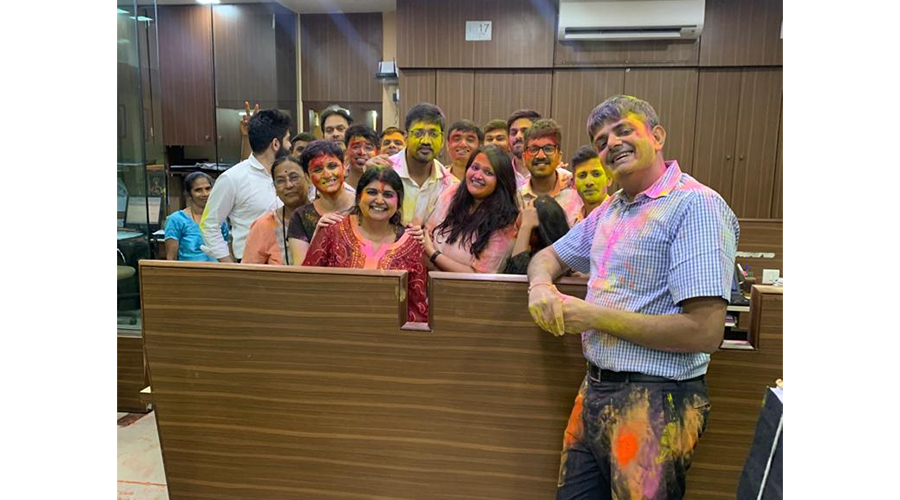
LIFE AT MHCO














PRACTICE AREA
Private Limited Company Registration in India
Setting up a Company in India
Foreign Direct Investment (FDI) in India
Foreign Business Registration in India
Small Business Registration in India
GET IN TOUCH
Mumbai: Surya Mahal, 2nd Floor 5, Burjorji Bharcha Marg Fort, Mumbai-400 023 India
Contact No.: T: +91-22-40565252
E: contact@mhcolaw.com
Delhi: C-9, Lower Ground Floor Jangpura Extension, New Delhi-110 0014 India
Contact No.: T: +91-11-40196496
E: contact@mhcolaw.com
Contact No.: T: +91-22-40565252
E: contact@mhcolaw.com
Delhi: C-9, Lower Ground Floor Jangpura Extension, New Delhi-110 0014 India
Contact No.: T: +91-11-40196496
E: contact@mhcolaw.com
2025 - MANSUKHLAL HIRALAL & CO.
Need Help? Chat with us