


MSI Is A Global Association Of Over 250 Independent Legal And Accounting Firms In More Than 100 Countries. MSI Has A Successful Track Record Of More Than 25 Years And The Firm Has Recently Been Selected To Represent Mumbai, India.
Please Click Here To See MSI’s Info Graphic Which Highlights Key Facts Of The About. With The Membership At MSI, The Firm Has Now Access To 253 Legal And Accounting Firms Worldwide For Its Clients Who Desire To Do Cross Border Transactions Across The World.

Licenses Required for Sole Proprietorships in India: Complete Legal Guide
Starting a business as a sole proprietor is one of the simplest ways to enter the Indian market. However, simplicity in structure does not eliminate regulatory obligations. Understanding the Licenses Required for Sole Proprietorships in India is essential for operating legally, avoiding penalties and building credibility with customers, banks and authorities. Many small business owners assume registration is optional, but in reality, different types of licences and registrations may be required depending on the nature, scale and location of the business.
This article explains the key licences, registrations and compliance requirements applicable to sole proprietorships in India and how entrepreneurs can ensure smooth legal operations.
Understanding Sole Proprietorship in India
A sole proprietorship is an unincorporated business owned and managed by a single individual. There is no separate legal identity between the owner and the business. The proprietor is personally responsible for all liabilities and obligations. While there is no formal incorporation process for a sole proprietorship, the business becomes legally recognised through registrations, licences and tax compliance. These regulatory approvals act as proof of business existence and enable the proprietor to conduct commercial activities lawfully.
Licenses Required for Sole Proprietorships in India
The concept of Licenses Required for Sole Proprietorships in India is not uniform across all businesses. The exact licences depend on the nature of the activity, industry sector, turnover and geographical location. However, certain registrations are commonly required across most businesses. A sole proprietorship may need tax registrations, local authority approvals and sector specific licences. Without these, the business may face operational restrictions, financial penalties or difficulty in opening bank accounts and entering formal contracts. Understanding these requirements at the beginning helps avoid legal complications later.
Basic Registrations for Sole Proprietorship
Although sole proprietorship does not require formal incorporation, certain registrations are essential to establish business identity. The most common requirement is obtaining a Permanent Account Number in the name of the proprietor, which is necessary for tax compliance. In addition, many businesses open a current bank account using proof of business existence. This proof is usually derived from licences such as GST registration, shop and establishment registration or other government approvals. These foundational registrations help the business function within the legal framework.
GST Registration
Goods and Services Tax registration is one of the most important requirements for many sole proprietors. It becomes mandatory if the business crosses the prescribed turnover threshold or engages in interstate supply of goods or services. GST registration allows the business to collect tax, claim input tax credit and operate within the formal tax system. It also enhances credibility with customers and vendors. Even where not mandatory, some businesses opt for voluntary registration to expand their operations.
Shop and Establishment Licence
Most states in India require businesses to obtain a shop and establishment licence. This licence regulates working conditions, employee rights and business operations at a local level. It is usually issued by the municipal authority or labour department. The requirements and process vary from state to state, but it is commonly one of the first licences obtained by a sole proprietor. This registration also serves as proof of business address and existence.
MSME Registration
Micro, Small and Medium Enterprises registration is not mandatory, but it provides several benefits to sole proprietors. It enables access to government schemes, easier credit facilities and protection against delayed payments. MSME registration strengthens the business profile and can be useful for small enterprises looking to grow. It is often recommended for businesses seeking formal recognition and financial support.
Professional Tax Registration
In certain states, professional tax registration is required for businesses employing staff or earning income through professional activities. This tax is levied by state governments and must be paid periodically. The applicability depends on the state in which the business operates. Compliance with local tax laws is essential for avoiding penalties.
Import Export Code
Businesses involved in import or export of goods or services must obtain an Import Export Code from the Directorate General of Foreign Trade. This code is mandatory for international trade transactions. Without this registration, a sole proprietorship cannot legally engage in cross border trade activities. This licence is essential for businesses operating in global markets.
Food Licence for Food Businesses
Sole proprietors involved in food related businesses must obtain registration or licence under food safety regulations. This applies to restaurants, cloud kitchens, food manufacturers and traders. The type of licence depends on the scale and nature of operations. Compliance with food safety standards is essential for protecting consumer health and avoiding legal issues. This is one of the most important sector specific licences.
Trade Licence from Local Authority
Many businesses require a trade licence from the local municipal authority. This licence ensures that the business complies with local safety, zoning and operational regulations. It is particularly relevant for shops, manufacturing units and service establishments operating in commercial areas. Local authorities may impose specific conditions based on business activity.
Sector Specific Licences
Certain businesses require specialised licences depending on the industry. For example, pharmaceutical businesses may require drug licences, while financial services may need regulatory approvals from relevant authorities. Similarly, businesses dealing with hazardous materials, education, healthcare or telecom may require additional permissions. Entrepreneurs must identify industry specific requirements before starting operations.
Importance of Compliance with Government Authorities
Sole proprietorships must comply with both central and state level regulations. Many registrations are issued through official government portals, which provide updated procedures and guidelines. Referring to official government platforms ensures accuracy and helps avoid procedural errors. Entrepreneurs should regularly review regulatory updates to stay compliant. Government compliance is not a one time activity. It requires continuous attention.
Role of Documentation and Record Keeping
Maintaining proper records is essential for legal compliance. This includes invoices, tax returns, licence certificates and financial statements. Proper documentation helps in audits, tax filings and dispute resolution. It also strengthens credibility with banks, investors and customers. A well documented business is easier to manage and scale.
Common Mistakes Made by Sole Proprietors
Many sole proprietors delay obtaining licences, assuming small businesses are exempt from compliance. Others operate without proper documentation or fail to renew licences on time. Some businesses also misunderstand tax requirements or ignore local regulations. These mistakes can lead to penalties, operational disruptions and legal complications. Awareness and timely action help avoid these risks.
Importance of Professional Guidance
Although sole proprietorship is simple to start, compliance requirements can become complex as the business grows. Professional advisors help identify applicable licences, ensure proper documentation and maintain regulatory compliance. Many entrepreneurs exploring proprietorship company registration in India seek expert support to streamline the process and avoid errors. Professional assistance ensures legal clarity and operational efficiency.
Transition to Other Business Structures
As a business grows, a sole proprietorship may not provide sufficient legal protection or scalability. Entrepreneurs often transition to other structures such as partnership, LLP or company. Those considering expansion or external investment may explore options for setting up a company in India to gain limited liability and structured governance. Choosing the right structure depends on business goals and risk profile.
Conclusion
Understanding the Licenses Required for Sole Proprietorships in India is essential for building a legally compliant and sustainable business. While the structure itself is simple, the regulatory framework surrounding it can vary based on multiple factors. Entrepreneurs must identify applicable licences, maintain proper records and ensure timely compliance with tax and local regulations. With the right approach and professional guidance, a sole proprietorship can operate efficiently while remaining fully compliant with legal requirements.
Frequently Asked Questions (FAQs)
Q1: Is registration required for a sole proprietorship in India?
There is no formal incorporation requirement, but licences and registrations are necessary to operate legally.
Q2: Which licence is most important for sole proprietorship?
GST registration and shop and establishment licence are among the most commonly required registrations.
Q3: Can a sole proprietor operate without GST?
Yes, if turnover is below the threshold and no mandatory conditions apply. However, voluntary registration may be beneficial.
Q4: Do all businesses need a trade licence?
Many businesses require a trade licence depending on local municipal rules and business activity.
Q5: How many licences are required for a sole proprietorship?
The number depends on the nature of business, location and industry specific regulations.
The information contained in this communication is intended solely for the use of the individual or entity to whom it is addressed and others authorized to receive it. This communication may contain confidential or legally privileged information. If you are not the intended recipient, any disclosure, copying, distribution or action taken relying on the contents is prohibited and may be unlawful. If you have received this communication in error, or if you or your employer does not consent to email messages of this kind, please notify the sender immediately by responding to this email and then delete it from your system. No liability is accepted for any harm that may be caused to your systems or data by this message.
OUR CLIENTS


MEDIA COVERAGES
AWARDS & RECOGNITION









AFFILIATIONS & ASSOCIATIONS
MEMBERS OF MSI GLOBAL ALLIANCE

MEMBERS OF ILF
International Law Firms (ILF) Is An International Association Of Independent Smaller And Mid-Sized Law Firms Serving Their Clients’ Needs In Cross Border Business Legal Issues. Our Association With ILF Enables Us To Effectively Assist Clients With Trans-National Legal Issues At Effective Prices.
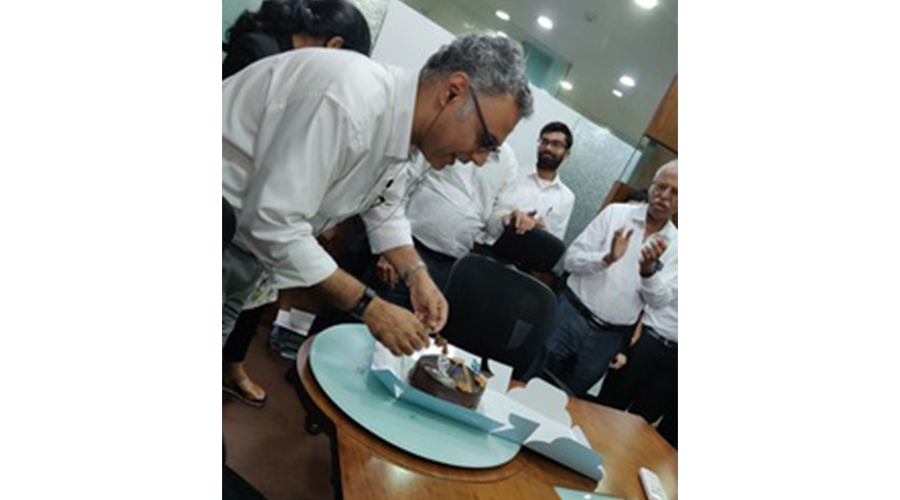
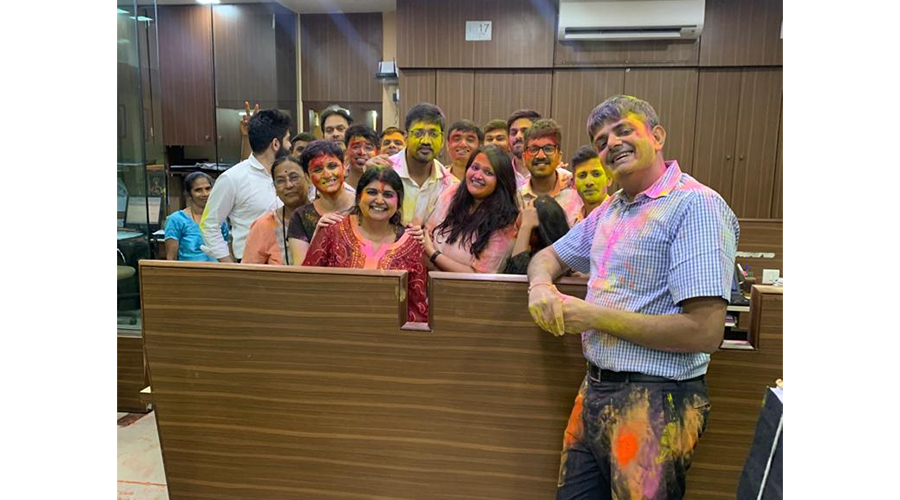
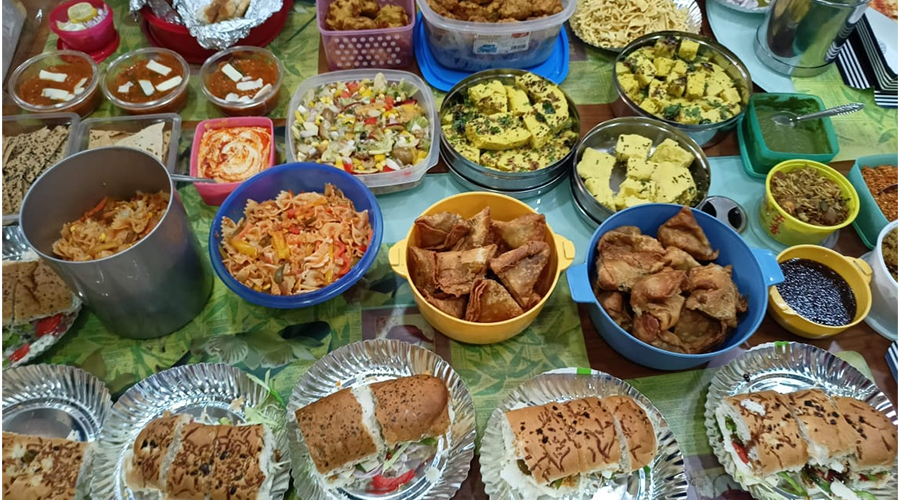
LIFE AT MHCO











PRACTICE AREA
Private Limited Company Registration in India
Setting up a Company in India
Foreign Direct Investment (FDI) in India
Foreign Business Registration in India
Small Business Registration in India
GET IN TOUCH
Mumbai: Surya Mahal, 2nd Floor 5, Burjorji Bharcha Marg Fort, Mumbai-400 023 India
Contact No.: T: +91-22-40565252
E: contact@mhcolaw.com
Delhi: C-9, Lower Ground Floor Jangpura Extension, New Delhi-110 0014 India
Contact No.: T: +91-11-40196496
E: contact@mhcolaw.com
Contact No.: T: +91-22-40565252
E: contact@mhcolaw.com
Delhi: C-9, Lower Ground Floor Jangpura Extension, New Delhi-110 0014 India
Contact No.: T: +91-11-40196496
E: contact@mhcolaw.com
2025 - MANSUKHLAL HIRALAL & CO.
Need Help? Chat with us