


MSI Is A Global Association Of Over 250 Independent Legal And Accounting Firms In More Than 100 Countries. MSI Has A Successful Track Record Of More Than 25 Years And The Firm Has Recently Been Selected To Represent Mumbai, India.
Please Click Here To See MSI’s Info Graphic Which Highlights Key Facts Of The About. With The Membership At MSI, The Firm Has Now Access To 253 Legal And Accounting Firms Worldwide For Its Clients Who Desire To Do Cross Border Transactions Across The World.

How to Resolve Property Disputes in Mumbai: Legal Remedies and Court Processes?
Property disputes are among the most common and complex legal conflicts in Mumbai. Rising property values, layered ownership structures and redevelopment pressures often lead individuals to seek ways to Resolve Property Disputes efficiently and lawfully. Whether the issue involves title defects, inheritance conflicts, tenancy claims or redevelopment disagreements, understanding available legal remedies is essential before taking action. This guide explains how property disputes arise in Mumbai, the legal remedies available, and the court processes involved. It also highlights practical steps to resolve disputes while minimising delay and cost.
Why Property Disputes Are Common in Mumbai?
Mumbai’s real estate landscape is shaped by old tenancies, cooperative housing societies, redevelopment projects and inherited properties. Many buildings are several decades old, with incomplete documentation or multiple claimants. Disputes often emerge due to unclear title, unregistered agreements, succession issues, unauthorised construction or delayed possession. In many cases, parties act without legal advice, which escalates conflicts unnecessarily. Understanding dispute resolution mechanisms allows parties to make informed decisions before initiating litigation.
How to Resolve Property Disputes Through Legal Remedies?
To resolve property disputes, Indian law provides both judicial and alternative remedies. The appropriate remedy depends on the nature of the dispute, urgency and relationship between parties. Legal remedies may involve civil courts, specialised tribunals, cooperative authorities or alternative dispute resolution methods such as mediation and arbitration.
Common Types of Property Disputes in Mumbai
Property disputes in Mumbai broadly fall into ownership disputes, possession conflicts, inheritance claims, tenancy issues, redevelopment disagreements and contractual breaches. Ownership disputes usually involve competing title claims or forged documents. Possession disputes arise where lawful owners are denied access or tenants refuse to vacate. Inheritance disputes often occur when property is transferred without probate or consent of all heirs. Redevelopment disputes are increasingly common due to consent issues, inadequate compensation or project delays.
Pre Litigation Remedies and Negotiated Settlements
Before approaching courts, parties may explore pre litigation options. Negotiation and mediation can help resolve disputes without lengthy proceedings. Legal notices often serve as the first step. A properly drafted notice outlines claims and demands compliance. In many cases, disputes settle at this stage when parties understand legal consequences. Mediation is encouraged by courts and often leads to faster resolution, especially in family or society disputes.
Jurisdiction of Courts in Property Disputes
Property disputes are generally decided by civil courts based on pecuniary and territorial jurisdiction. In Mumbai, matters may be heard by the City Civil Court or the Bombay High Court depending on valuation. Certain disputes fall under specialised forums. Cooperative housing society disputes are addressed by the Cooperative Court. Tenancy disputes may involve Rent Courts. RERA disputes related to builders are handled by MahaRERA. Understanding jurisdiction prevents procedural delays.
Court Processes Involved in Property Disputes
Civil litigation begins with filing a plaint outlining facts and relief sought. The court issues summons to the opposing party, followed by pleadings, evidence and arguments. Interim relief such as injunctions may be sought to prevent sale, construction or dispossession during pendency. Courts consider urgency and balance of convenience while granting interim orders. Final adjudication may take time due to evidence examination and procedural stages. Appeals are available against adverse orders.
Role of Documentation and Evidence
Success in property disputes depends heavily on documentation. Title deeds, registration records, succession documents, society records and municipal approvals form the foundation of a claim. Courts rely on documentary evidence rather than oral assertions. Inadequate documentation weakens even genuine claims. Records can be verified through government portals such as the Inspector General of Registration Maharashtra and municipal authorities.
Alternative Dispute Resolution in Property Matters
Alternative dispute resolution offers quicker and less adversarial methods to settle disputes. Arbitration is common where agreements contain arbitration clauses. Mediation is effective in family inheritance disputes and society conflicts. Courts increasingly encourage mediation to reduce backlog. Settlement agreements reached through ADR are legally enforceable once recorded.
Execution of Decrees and Enforcement
Winning a case does not automatically resolve a dispute. Execution proceedings are required to enforce court decrees. Execution may involve possession delivery, attachment of property or compliance directions. Delay at this stage can frustrate successful litigants. Legal strategy must include enforcement planning.
Importance of Legal Representation
Property disputes involve procedural complexities and evolving judicial precedents. Incorrect filings or missed deadlines can irreversibly harm a case. Many individuals engage a property law firm and lawyers in India to assess remedies, draft pleadings and represent them effectively before courts and tribunals. Professional guidance ensures compliance with procedural law and improves chances of timely relief.
When to Consider Specialised Dispute Resolution Counsel
Complex disputes involving multiple parties, redevelopment projects or high value assets require specialised expertise. In such cases, engaging a dispute resolution law firm and lawyers in India helps in managing litigation strategy, negotiations and enforcement efficiently. Strategic handling often shortens dispute timelines and reduces financial exposure.
Costs, Timelines and Practical Expectations
Property disputes can be time consuming. Interim relief may be obtained quickly, but final resolution may take years depending on complexity. Costs include court fees, legal fees and incidental expenses. Early legal assessment helps manage expectations and budgets. Choosing the correct forum and remedy significantly affects timelines.
Preventive Measures to Avoid Property Disputes
Most property disputes arise due to lack of due diligence. Clear title verification, registered agreements, timely probate and documented consent prevent future conflict. Engaging legal professionals during transactions reduces long term risk.
Conclusion
To resolve property disputes in Mumbai, understanding legal remedies and court processes is essential. Whether disputes involve ownership, possession, inheritance or redevelopment, informed action prevents escalation. Early legal advice, proper documentation and strategic choice of remedies significantly improve outcomes. While litigation remains a viable option, negotiated settlements and alternative dispute resolution often provide faster and less adversarial solutions. Careful planning and professional guidance remain key to protecting property rights in Mumbai.
FAQs on Resolving Property Disputes in Mumbai
1. Can property disputes be resolved without going to court?
Yes. Many disputes are resolved through negotiation or mediation before litigation begins. Courts also encourage settlement where possible.
2. Which court handles property disputes in Mumbai?
Jurisdiction depends on the nature and value of the dispute. Civil courts, Cooperative Courts, Rent Courts or regulatory authorities may be involved.
3. How long does a property dispute take to resolve?
Timelines vary based on complexity, forum and cooperation between parties. Interim relief may be obtained earlier.
4. Is injunction important in property disputes?
Yes. Injunctions protect property during litigation and prevent irreversible harm.
5. Can disputed property be sold during litigation?
Courts often restrain sale during pendency to protect claimant rights.
The information contained in this communication is intended solely for the use of the individual or entity to whom it is addressed and others authorized to receive it. This communication may contain confidential or legally privileged information. If you are not the intended recipient, any disclosure, copying, distribution or action taken relying on the contents is prohibited and may be unlawful. If you have received this communication in error, or if you or your employer does not consent to email messages of this kind, please notify the sender immediately by responding to this email and then delete it from your system. No liability is accepted for any harm that may be caused to your systems or data by this message.
OUR CLIENTS


MEDIA COVERAGES
AWARDS & RECOGNITION









AFFILIATIONS & ASSOCIATIONS

MEMBERS OF MSI GLOBAL ALLIANCE

MEMBERS OF ILF
International Law Firms (ILF) Is An International Association Of Independent Smaller And Mid-Sized Law Firms Serving Their Clients’ Needs In Cross Border Business Legal Issues. Our Association With ILF Enables Us To Effectively Assist Clients With Trans-National Legal Issues At Effective Prices.
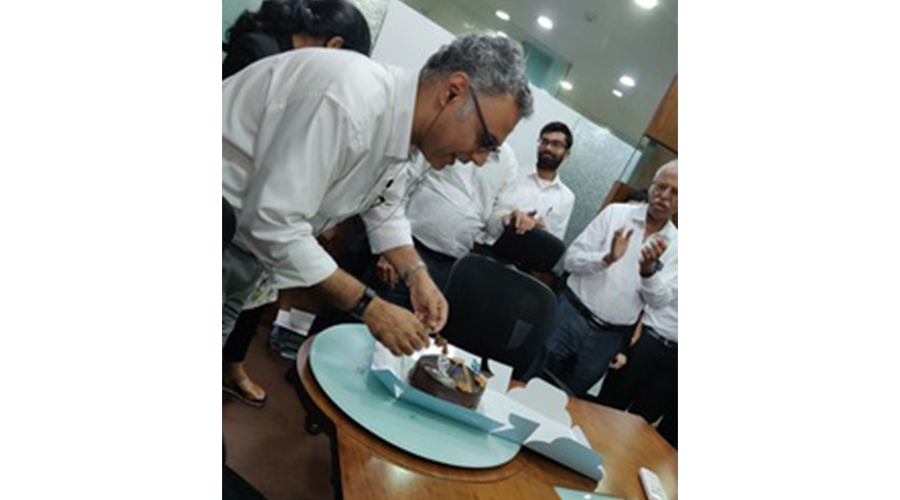
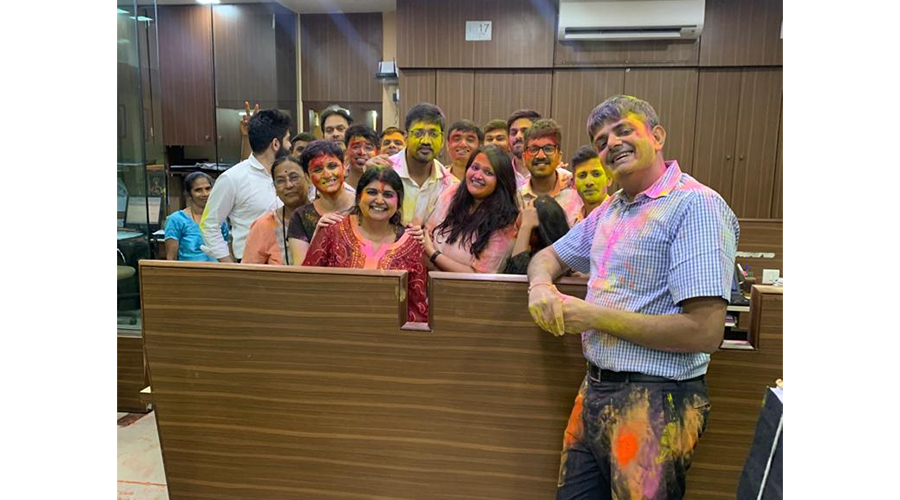
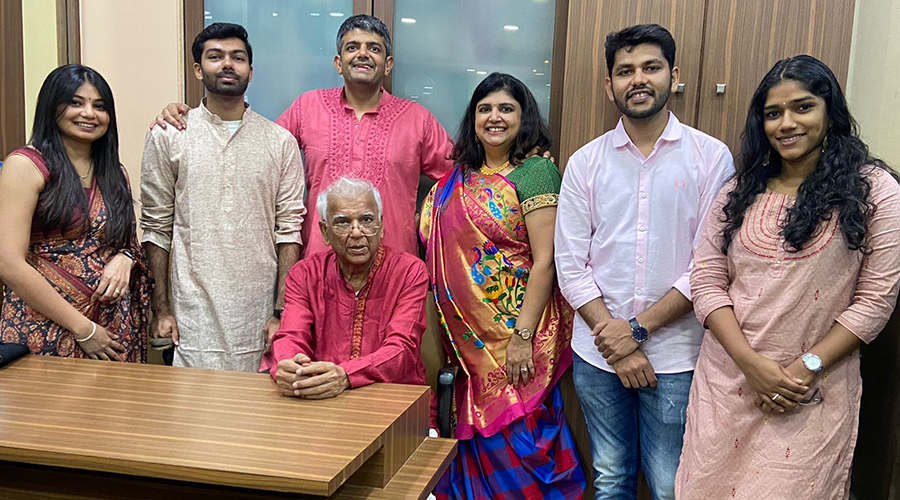
LIFE AT MHCO












PRACTICE AREA
Private Limited Company Registration in India
Setting up a Company in India
Foreign Direct Investment (FDI) in India
Foreign Business Registration in India
Small Business Registration in India
GET IN TOUCH
Mumbai: Surya Mahal, 2nd Floor 5, Burjorji Bharcha Marg Fort, Mumbai-400 023 India
Contact No.: T: +91-22-40565252
E: contact@mhcolaw.com
Delhi: C-9, Lower Ground Floor Jangpura Extension, New Delhi-110 0014 India
Contact No.: T: +91-11-40196496
E: contact@mhcolaw.com
Contact No.: T: +91-22-40565252
E: contact@mhcolaw.com
Delhi: C-9, Lower Ground Floor Jangpura Extension, New Delhi-110 0014 India
Contact No.: T: +91-11-40196496
E: contact@mhcolaw.com
2025 - MANSUKHLAL HIRALAL & CO.
Need Help? Chat with us